
Virtual Fashion Show: A Practical Guide for Fashion Brands

How do you turn a fashion collection into a virtual show people want to watch, explore, and remember?
A virtual fashion show is a staged presentation of a collection through film, interactive 3D, a web experience, or an immersive environment. It can extend a physical launch or become a complete digital event. The strongest shows connect product accuracy with creative direction, performance, and a clear next action for viewers.
This guide explains how a fashion brand can plan the format, prepare garments and avatars, design the runway, build an audience journey, and measure the launch. The aim is a useful production brief rather than a collection of visual effects.
Table of Contents
Define the purpose and format of the virtual fashion show
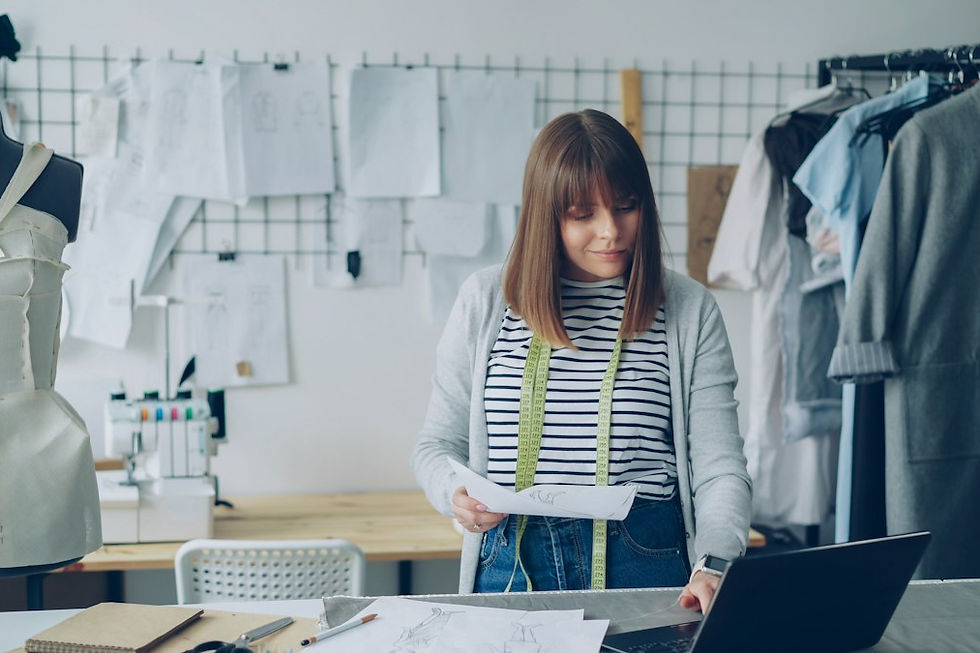
Begin with the decision the show should influence. Is the audience made up of buyers, press, loyal customers, new shoppers, or a community in a virtual world? A wholesale buyer needs a clean view of construction and color. A public audience may respond to atmosphere and narrative. A product launch needs a direct path from a look to its details, availability, and purchase or inquiry. One show can serve several groups, but each group needs a deliberate route.
Choose the format around that outcome. A pre-rendered fashion film gives the creative team tight control over motion, lighting, and image quality. A live stream adds a shared moment and commentary, but needs rehearsal and moderation. An interactive browser experience lets visitors inspect looks at their own pace. An XR environment can create spatial presence, but its device requirements, controls, and file sizes must be designed from the start. The studio's digital fashion services span these options.
Write a one-page brief that names the collection, audience, story, launch date, platform, number of looks, visual references, accessibility needs, and the action viewers should take afterward. Also identify the assets already available: patterns, tech packs, product photography, samples, approved colorways, avatars, and campaign copy. This inventory prevents the team from designing a spectacular environment before it knows what products can be shown.
Decide which facts the digital experience must preserve. If the show supports sales, the silhouette, construction, trims, colors, and branding should match the actual product. If the garments are digital-only concepts, label them clearly and treat that freedom as a creative choice. A show earns trust when viewers understand what is real, what is proposed, and where a product can be found.
Build accurate 3D garments and reusable collection assets

The garment is the star. Start with approved patterns, a technical pack, measured samples, fabric swatches, and reference photographs wherever possible. Artists construct the digital piece, fit it to an avatar, assign materials, and simulate the way fabric falls and moves. A convincing result depends on weight, thickness, stretch, roughness, sheen, seams, and contact with the body. Glossy lighting cannot repair an inaccurate cut.
Test the collection as a group. Garments should share an intentional presentation scale and lighting language, while keeping the differences that make each look distinct. Check details close to camera: closures, embroidery, prints, pockets, hardware, and logos. Where a colorway is not yet approved, mark it as exploratory. The 3D fashion design pipeline offers a wider view of how a digital twin moves from development to launch.
Plan the asset library beyond the show. A high-quality master garment can support editorial stills, short social clips, ecommerce views, and a virtual showroom when the reuse is designed into the workflow. Those destinations may require different polygon counts, textures, simulations, or exports, so define them before finalizing the master. Mimic's 3D fashion asset management guide explains why naming, versions, rights, and approval status matter.
Approve the collection in stages: silhouette and fit, material response, styling, motion, and final lighting. Use a neutral review pass as well as the dramatic runway render. A neutral view can reveal whether a sleeve is the right length or a fabric is too stiff. Product accuracy and creative spectacle are partners, but they need separate checks.
Choose avatars, styling, and movement that serve the clothes

A digital runway needs a wearer or presentation system, but the avatar should not distract from the collection. Decide whether the show calls for realistic digital humans, stylized characters, scanned performers, or garment-only presentation. Each choice affects fit, grooming, performance, rendering time, and rights. A single avatar can present the entire collection, or a cast can express different identities and stories.
Fit the garments to the actual bodies used in the show. A piece that looks correct on a static mannequin may clip or distort during a walk, turn, or seated pose. Test arm swings, steps, changes of direction, and close-up gestures. The animation should reveal drape and construction, not hide them with constant cuts. If body or facial performance is captured from people, agree on likeness, usage, and future reuse before production.
Styling completes the story: hair, makeup, footwear, accessories, and the order of looks. Set a visual hierarchy so viewers know where to look. If a new bag is the headline product, frame it clearly rather than burying it behind a dramatic coat. If the show is about fabric innovation, use slower movement and material close-ups. The brand's digital fashion design guide connects garment truth to campaign art direction.
Review movement both with final lighting and in a plain viewport. The latter exposes collisions and rig issues; the former tests how the look reads to an audience. Use a few representative looks to prove the system before building every outfit. That early test is especially valuable when the collection includes long hems, layered garments, transparent materials, or elaborate hair.
Design the runway, cameras, and sound as one story

A virtual setting can do what a physical venue cannot, but novelty alone is a weak concept. Give the runway a visual rule tied to the collection: a material, place, mood, movement, or narrative progression. The environment should frame the garments and make the brand recognizable. It should also leave enough contrast to read silhouette and color. A highly detailed set can flatten the product when every surface competes for attention.
Storyboard the show before building the full world. Decide the order of looks, wide shots, product details, transitions, opening, finale, and moments where a viewer can pause or click. Test camera height and lens language against the garment: an extreme low angle may feel dramatic but distort proportions; a wide shot may show the world while losing stitching and texture. Move between overview and detail deliberately.
Sound gives the experience rhythm. Clear music rights, transitions, voiceover, and audio levels for every distribution channel. Provide captions or a text alternative for spoken material and essential sound cues. If the experience is interactive, audio should not be required to understand navigation or product information. The technology page outlines the studio's 3D and immersive capabilities that can support different environments.
Build a short proof of concept with one hero look and a few key shots. Review it on the devices and network conditions the audience will actually use. The sample should answer practical questions: Does fabric look convincing? Are logos legible? Is the site responsive? Does the emotional tone match the collection? Resolve these issues before production multiplies them across the full show.
Build an accessible viewer journey and clear next action

Treat the show as an audience experience, not simply a video file. The entry point should explain where a visitor is, how long the experience takes, and what they can do. A web viewer may offer a watch button, look index, replay controls, garment details, and links to shop or contact the brand. A live event also needs a start time, reminders, moderation, and a replay plan for people in other time zones.
Make product discovery effortless. Give each look an identifiable name or number. Let viewers pause, revisit, and inspect details where the format allows it. Link to accurate product information: materials, sizing, colorways, availability, price if published, and any relevant care or fit notes. If a garment is conceptual or not yet available, say so. The virtual fashion showroom guide covers the deeper browse-and-discover journey after a runway moment.
Design for common access constraints. Supply captions for dialogue, readable controls, sufficient contrast, keyboard navigation where practical, and a lighter fallback for slower connections or unsupported devices. A cinematic desktop experience should not become a dead end on mobile. Test load time, playback, links, and layout on actual devices, including the browser configurations your audience is likely to use.
Map each call to action to the audience. A buyer might request a line sheet or appointment. A shopper might open a product page or join a waitlist. Press may need approved images and contact details. Keep the show, look pages, and follow-up content consistent. The digital fashion marketing strategy explains how a master asset can feed those channels after launch.
Rehearse the launch and measure what viewers do

A virtual fashion show still needs show production. Freeze the approved looks and edits, then rehearse the complete path from invitation to playback to product action. Check the final video or interactive build in its destination environment. Test captions, sound, image quality, navigation, checkout or inquiry links, and contact forms. Assign owners for technical monitoring, audience questions, and rapid corrections on launch day.
Prepare a fallback for predictable failures. A pre-rendered cut can back up a live stream; a static lookbook can preserve product discovery if an interactive scene fails on one device. The fallback should keep the collection and next action available, even if it has fewer features. Give partners one approved link and a clear schedule so buyers and press do not land on a draft or expired preview.
Define success before the show goes live. Useful measures include qualified attendance, completion rate, replay views, look-level engagement, product-detail clicks, buyer inquiries, assisted sales, press pickup, and asset reuse across later channels. Compare each metric to the original brief. A large view count alone does not prove a useful show if buyers could not inspect products or shoppers could not reach the collection.
After launch, hold a short review with creative, production, marketing, and commerce teams. Note which looks held attention, where viewers dropped off, which devices struggled, and which assets can be repurposed. Then package clean master files, approved stills, short cuts, and documentation for the next campaign. The studio's fashion portfolio shows the range of visual work such a connected production system can support.
Frequently asked questions
What is a virtual fashion show?
It is a fashion collection presented through digital film, live stream, interactive 3D, or an immersive environment. The experience may be fully virtual or extend a physical runway show.
Is a virtual fashion show the same as a virtual showroom?
No. A show is a directed reveal with pacing and story. A showroom lets people browse and inspect products at their own pace. Many brands connect the two.
Do brands need physical samples to create one?
Not always. Patterns, tech packs, material references, and approved design data can support digital garments. Physical samples are helpful when a faithful digital twin must match a finished product.
Can a virtual runway show be shoppable?
Yes. A show can link individual looks to product pages, preorders, buyer appointments, or inquiries. The path should be clear and the availability information accurate.
Which format works best for mobile audiences?
Short film or an optimized web experience is often easiest to access. The right format depends on connection speeds, device support, interaction goals, and the collection's detail needs.
How long should a virtual fashion show be?
There is no universal length. Match the runtime to the number of looks and the audience's purpose. Test whether viewers can follow the story and inspect products without unnecessary delay.
What assets does a studio need from a fashion brand?
A useful package includes the brief, brand guidelines, collection list, patterns or tech packs, material swatches, samples or reference photos, approved colors, product information, and target platforms.
Can the 3D garments be reused after the event?
Often yes when reuse is planned. Master garments can be adapted for stills, social cuts, product visualization, and showrooms, with channel-specific optimization and agreed rights.
How should a brand measure success?
Measure the outcome tied to the brief: qualified viewers, completion, look engagement, product clicks, buyer inquiries, sales influence, press use, or the value of reused assets.
Conclusion
A successful virtual fashion show connects an accurate collection to a strong creative idea and an accessible route for viewers. Clear goals determine the right format; careful garment and avatar work protects product truth; rehearsed delivery and useful measurement turn a launch moment into a repeatable brand asset.
If your collection is ready for a digital runway, talk to Mimic Digital Fashion about 3D garments, avatars, and show production.


Comments