
3D Fashion Product Visualization: From Digital Garments to Virtual Try-On

Fashion teams no longer need to wait for every sample, shoot, and showroom build before they can sell an idea. With 3D fashion product visualization, a garment, accessory, or avatar look can become a photoreal digital asset that works across campaigns, virtual try-ons, ecommerce, immersive spaces, and investor presentations.
For brands working with tight launch calendars, global audiences, and more channels than ever, that shift is practical rather than futuristic. The right 3D pipeline helps creative, merchandising, ecommerce, and marketing teams test visuals earlier, reuse assets longer, and present fashion with the realism customers expect.
Mimic Digital Fashion brings this work together through digital garments, virtual accessory design, custom avatars, scanning, motion capture, AR, VR, AI video, and fitting solutions. This guide explains how brands can turn those capabilities into a stronger product visualization system.
Table of Contents
What 3D Fashion Product Visualization Means
3D fashion product visualization is the process of creating accurate, polished digital representations of garments, accessories, models, and fashion environments. These assets can be used for ecommerce imagery, campaign concepts, virtual fitting, AR activations, VR showrooms, social content, and internal approval workflows.
Unlike a one-off render, a strong visualization workflow creates reusable assets. A handbag can appear in a campaign film, a virtual showroom, an interactive product page, and a seasonal style guide. A digital garment can be tested on avatars, animated through motion capture, and later adapted for a virtual runway.
That is why the workflow matters. Mimic Digital Fashion's digital fashion services cover virtual accessories, custom avatars, 3D garment simulation, digital influencers, scanning, motion capture, grooming, AI video, fitting solutions, and creative direction. Product visualization becomes the connective layer between those services.
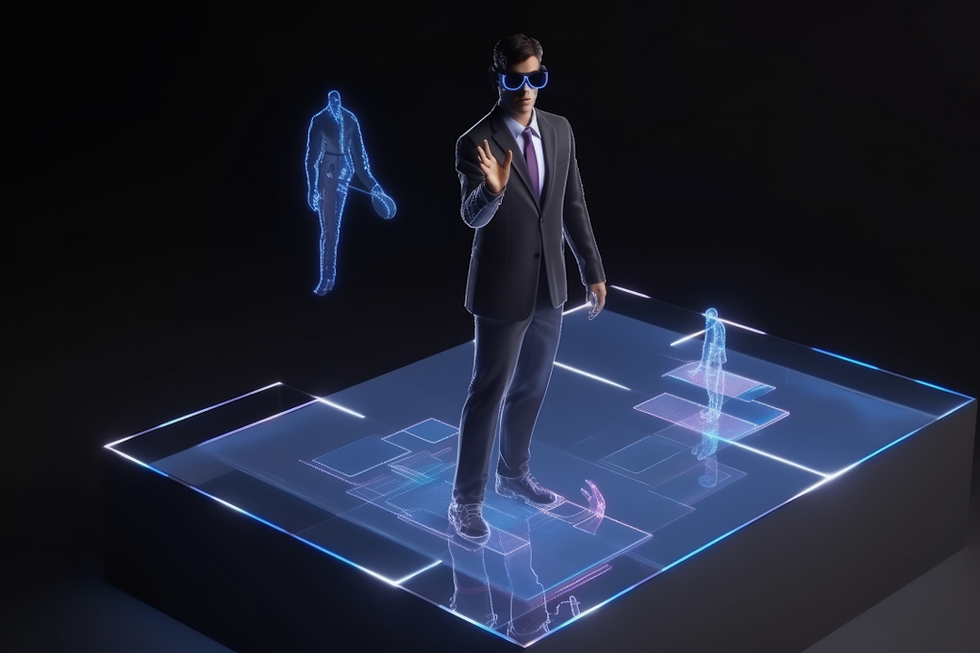
Why Brands Are Moving From Flat Assets to Reusable 3D
Traditional fashion content is often tied to one moment: a sample arrives, a shoot is booked, images are edited, and the assets are used for a campaign or product page. Reusable 3D changes that rhythm. It lets teams work earlier, visualize more variations, and carry a digital product asset across channels.
Speed: visualize colors, materials, styling, and fit before final samples are available.
Consistency: keep lighting, scale, fabric behavior, and model presentation aligned across markets.
Sustainability: reduce avoidable physical sampling, location travel, and throwaway content production.
Channel reuse: adapt one asset for ecommerce, AR, VR, social video, lookbooks, and sales decks.
The comparison is straightforward: flat photography is powerful when a finished physical piece must be captured beautifully; 3D visualization is stronger when a brand needs flexibility, interactivity, and repeat use across digital touchpoints.
Traditional product photography: best for final physical proof, editorial shoots, and tactile campaign storytelling.
3D visualization: best for rapid iteration, digital try-ons, virtual environments, variant creation, and asset reuse.
Hybrid workflow: often the strongest approach, combining hero photography with 3D assets that scale across commerce and immersive channels.
The Digital Garment Pipeline
A production-ready 3D fashion pipeline starts with the product truth: pattern, silhouette, materials, hardware, trims, construction details, and brand styling. From there, artists and technical teams create the asset, tune fabric behavior, light the scene, and prepare the output for each channel.
Asset intake: collect sketches, references, CAD files, product photos, material swatches, measurements, and brand guidelines.
Modeling and simulation: build the garment or accessory with accurate structure, texture, stitching, drape, and surface response.
Avatar and motion: fit the asset to a custom avatar, digital influencer, or scanned model, then test poses, movement, and cloth behavior.
Channel adaptation: render stills, create AI-enhanced video, prepare AR/VR files, and optimize assets for ecommerce or interactive experiences.
Mimic's core technology ecosystem supports this pipeline with AR, VR, 3D scanning, and motion capture. That matters because product visualization is not only about making a nice picture; it is about making a digital fashion asset that can perform in real environments.

Use Cases Across Fashion Teams
The strongest business case appears when several teams can use the same asset system. Creative teams gain flexible campaign visuals. Ecommerce teams gain product imagery and try-on content. Retail teams gain immersive showroom material. Leadership gains a clearer way to approve concepts before production costs rise.
Luxury and editorial campaigns: create surreal, photoreal visuals without being limited by a physical set.
Ecommerce and marketplaces: show colorways, close-ups, avatar fit, and product movement more clearly.
Runways and launches: extend a physical launch into a VR showroom, AR activation, or interactive lookbook.
Influencer and avatar marketing: style a digital ambassador consistently across social, video, and immersive channels.
For customer journeys, the same assets can support discovery with short-form visuals, consideration with interactive product pages, purchase with virtual try-on, loyalty with avatar styling updates, and wholesale with immersive buyer previews. That is a much broader role than a single photoshoot can usually play.

Implementation Checklist and KPIs
Before launching a 3D visualization program, align the creative ambition with the data and operating model. The cleaner the input, the more reusable the output becomes.
Product data: measurements, size range, colorways, fabric references, trims, construction notes, and product hierarchy.
Creative data: campaign mood, lighting direction, model/avatar requirements, motion references, and brand guardrails.
Technical data: target platforms, file formats, polygon budgets, AR/VR requirements, ecommerce CMS needs, and analytics setup.
Governance: approval owners, revision rules, asset naming, licensing, privacy requirements, and usage rights.
Measure the program through practical KPIs: sample reduction, content production speed, asset reuse rate, ecommerce engagement, virtual try-on interaction rate, campaign conversion, return-rate signals, buyer approval speed, and cost per usable visual. These metrics help teams prove whether 3D visualization is improving the business, not just the mood board.
The biggest mistakes are usually operational: starting without product references, overbuilding assets for channels that do not need them, ignoring mobile performance, treating AI-generated visuals as final product truth, or measuring only impressions instead of reuse, conversion, and workflow speed.

Privacy, Responsible AI, and Future Trends
Because virtual try-on, avatars, sizing, and AI video can involve body data, customer images, model likenesses, and synthetic identities, responsible execution matters. Brands should be clear about consent, retention, image rights, model permissions, and whether a visual represents a real product, a concept, or an AI-assisted variation.
A responsible workflow also protects brand trust. Keep human review in the loop for fit claims, skin and body representation, product accuracy, and campaign context. AI can accelerate ideation and video production, but the final fashion asset still needs creative direction, technical validation, and honest labeling where appropriate.
The next phase of 3D fashion product visualization will be more interactive: real-time product configurators, digital twins for garments, AI-assisted styling, virtual fitting rooms, avatar-led shopping, and spatial commerce inside AR and VR environments. The winners will be brands that build reusable asset systems now, not one-off experiments later.

FAQ
What is 3D fashion product visualization?
It is the creation of photoreal digital versions of garments, accessories, avatars, and fashion environments for ecommerce, campaigns, virtual try-on, AR, VR, and internal approvals.
How is 3D visualization different from product photography?
Photography captures a finished physical product. 3D visualization creates a reusable digital asset that can be rendered, animated, recolored, fitted to avatars, and adapted for immersive channels.
Can 3D garment assets be used for virtual try-on?
Yes, when the garment is built with the right measurements, materials, fit logic, and platform requirements. Try-on quality depends on both the garment asset and the body or avatar system.
What inputs does a brand need before starting?
Useful inputs include sketches, CAD files, product photos, measurements, material references, colorways, brand guidelines, usage goals, target platforms, and approval requirements.
Which teams benefit most from reusable 3D fashion assets?
Creative, ecommerce, merchandising, wholesale, retail experience, social media, innovation, and leadership teams can all use the same asset system in different ways.
Does 3D visualization replace physical samples?
Not always. It can reduce unnecessary sampling and speed decisions, but physical review still matters for final materials, manufacturing, comfort, and quality control.
How should brands measure the ROI of 3D fashion visualization?
Track sample reduction, asset reuse, production speed, ecommerce engagement, virtual try-on usage, conversion support, buyer approval time, and cost per usable visual.
Why work with a specialist digital fashion studio?
A specialist studio combines fashion taste with technical production, so assets look beautiful, behave correctly, and work across campaigns, avatars, AR, VR, and ecommerce environments.
Conclusion
3D fashion product visualization is becoming a practical operating system for modern fashion content. It helps brands move from single-use visuals to reusable digital assets that support design, ecommerce, virtual try-on, immersive launches, and campaign storytelling.
Ready to turn garments, accessories, avatars, and immersive ideas into production-ready digital fashion assets? Explore Mimic Digital Fashion's services or contact the studio to plan a visualization workflow for your next collection.

Comments