
Virtual Fitting Rooms for Fashion Ecommerce Fit Confidence
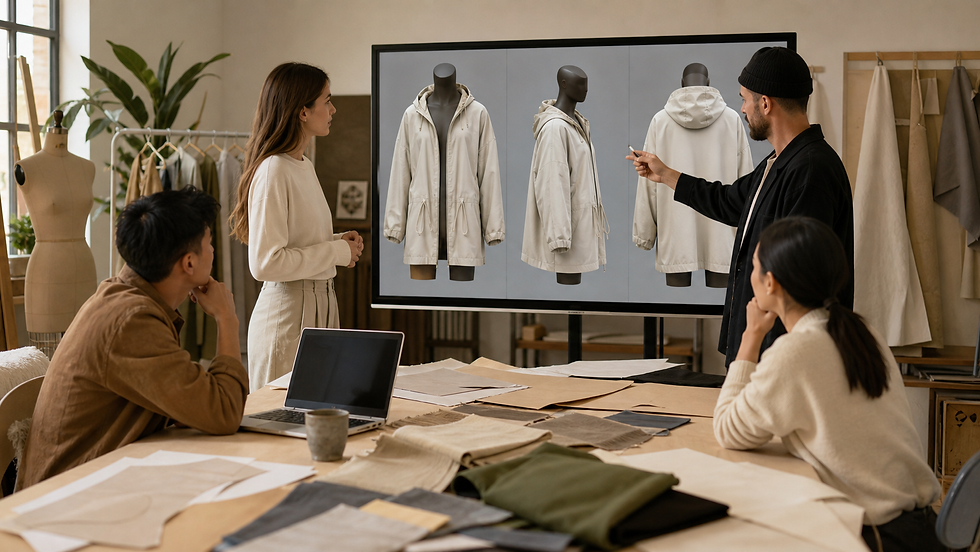
Virtual fitting rooms are becoming one of the most practical ways for fashion brands to turn digital product content into shopper confidence. A good experience does more than place a garment on a screen. It connects garment data, avatar standards, body context, material behavior, brand styling, ecommerce UX, privacy rules, and measurement into one repeatable workflow.
For Mimic Digital Fashion, this is a natural extension of digital fashion services, 3D garment creation, scanning, avatar work, AR, VR, AI video, sizing, and fitting solutions. The opportunity is not just to create a futuristic fitting demo. The real opportunity is to help brands reduce uncertainty before a shopper orders, before a buyer approves a range, or before a collection moves into a costly production stage.
This guide explains how fashion teams can plan virtual fitting rooms for ecommerce fit confidence: what they need, how they compare with older size tools, where they help the customer journey, how to implement them responsibly, and which metrics show whether the system is working.
Table of Contents
What Virtual Fitting Rooms Mean for Fashion Ecommerce
A virtual fitting room is a digital environment where a shopper, buyer, stylist, or internal team can understand how a garment may look, scale, drape, style, or fit before committing to the next action. In ecommerce, it often appears as virtual try-on, avatar-based styling, size guidance, fit visualization, or product comparison.
The strongest systems are built from accurate product truth. A jacket needs measurements, pattern logic, material references, size range, digital texture quality, and fit intent. An avatar needs proportions, posture rules, movement logic, and privacy-safe handling. The ecommerce layer then turns those inputs into a clear shopper decision: which size, which style, which product, and why this choice feels credible.
This connects closely with 3D fashion product visualization, but it is not the same thing. Product visualization shows the garment well. A virtual fitting room helps the customer or buyer make a more personal decision with that garment.

Benefits, Use Cases, and Customer Journey
Fashion ecommerce has a confidence problem. Customers often order multiple sizes, hesitate on premium items, abandon carts when scale is unclear, or return products because the mental image did not match the delivered garment. Virtual fitting rooms can reduce that gap by making the product feel closer to the shopper's real decision.
Discovery: avatar-led looks, motion content, and immersive product previews help the audience notice the collection.
Consideration: shoppers compare scale, fit intent, outfit combinations, material behavior, and accessory pairings.
Purchase: fit guidance, size confidence, try-on completion, and clearer styling reduce hesitation.
Retention: saved looks, avatar wardrobes, and personalized styling paths extend value after the first sale.
The same journey logic also supports virtual fashion showrooms, where buyers need a guided way to understand a collection before a physical meeting, showroom visit, or wholesale decision.
Different fashion businesses need different fitting-room strategies. A luxury brand may prioritize visual control and appointment-led commerce. A sportswear brand may focus on movement, compression, and size confidence. Accessories, footwear, wholesale, retail training, and digital-first collections all need slightly different levels of body context, product detail, and customer education.
Data and Asset Requirements Checklist
A polished front-end experience depends on disciplined inputs. If the data is incomplete, the fitting room may look interesting but fail where it matters: fit trust, product accuracy, accessibility, mobile performance, and repeatable production.
Garment data: patterns, measurements, size range, grading logic, fabric behavior, trims, construction notes, and fit intent.
3D assets: optimized garment models, textures, material references, avatar compatibility, and channel-ready file versions.
Customer context: consented size preferences, body measurements, uploaded image rules, style intent, and accessibility needs.
Governance: usage rights, licensing, AI disclosure, privacy rules, retention windows, and human review checkpoints.
This is why virtual fitting rooms should be connected to 3D fashion asset management. If the underlying garment library is disorganized, the fitting experience will be hard to scale.

Implementation Roadmap
Implementation should start with a focused pilot, not a full-platform promise. Pick a product category or customer moment where fit uncertainty is visible, measurable, and worth solving.
Define the decision: size choice, product comparison, styling confidence, buyer approval, or reduced support questions.
Select pilot products: choose garments or accessories with enough traffic, value, or return pressure to justify the work.
Build the source assets: prepare 3D garments, avatar standards, measurement rules, material references, and fit notes.
Design the experience: keep the interface clear, accessible, mobile-aware, and honest about what the visualization can and cannot prove.
Scale the repeatable pieces: asset templates, fit terminology, consent patterns, analytics events, and QA checklists.
A good pilot produces two things: a better customer experience and a reusable internal standard. That standard is what lets the next garment, collection, or channel move faster.
Mistakes, KPIs, and Responsible AI
The biggest mistake is promising perfect fit from imperfect data. Virtual fitting rooms should improve decision quality, not pretend that every body, material, movement, and styling context can be predicted with certainty. Brands should avoid generic avatars when scale matters, AI-generated fit claims that have not been reviewed, and cinematic assets that cannot run in the ecommerce environment.
KPIs should connect ecommerce, content production, and customer confidence. Track try-on starts, try-on completion, saved looks, product clicks after try-on, assisted conversion, fit-question reduction, support themes, return-rate signals, asset reuse rate, time to publish product visuals, and human-review pass rate.
Virtual fitting rooms can involve body measurements, uploaded photos, avatar likeness, shopping behavior, location context, and style preferences. That makes privacy and responsible AI part of the product, not a legal footnote. Collect only what the experience needs, explain the benefit before asking for sensitive data, and make retention and deletion easy to understand.
For AI-assisted recommendations, human review should remain part of the workflow. This echoes the responsible operating model behind AI fashion personalization: AI can scale styling and decision support, but product truth, representation, fit claims, and customer trust need clear boundaries.

Future Trends
The next wave of virtual fitting rooms will be more connected and more useful. Instead of one isolated try-on widget, brands will build fit-aware product systems that connect 3D assets, ecommerce, personal styling, retail training, clienteling, AR, VR, and post-purchase support. Real-time 3D and mobile AR will make experiences faster. Better body and garment models will improve realism. AI will help recommend looks and explain fit, but approved garment assets will remain the source of truth.
Mimic Digital Fashion's portfolio already points toward this connected future: 3D garments, avatars, accessories, XR, AI video, and immersive fashion experiences working together instead of living as separate experiments.
FAQ
What is a virtual fitting room?
A virtual fitting room is a digital experience that helps shoppers or buyers understand garment fit, scale, styling, or body context before purchase or approval.
How is it different from virtual try-on?
Virtual try-on is often one feature inside a broader fitting-room workflow. A full virtual fitting room can include size data, avatars, garment simulation, styling, consent, analytics, and support content.
Can virtual fitting rooms reduce returns?
They can help reduce uncertainty-driven returns when the experience uses accurate product data, clear fit guidance, and honest expectations. Returns still depend on product quality, logistics, sizing, and customer behavior.
What data does a brand need first?
Useful inputs include garment measurements, patterns, size ranges, material references, 3D assets, avatar standards, fit notes, product claims, and channel requirements.
Do shoppers need to share body measurements?
Not always. Some experiences use broad size preferences or avatar presets. More personalized fit guidance may need consented body data and clear privacy controls.
Which products are best for a first pilot?
Start with products where fit uncertainty is high and business value is clear, such as jackets, denim, footwear, premium accessories, or high-return ecommerce categories.
How should brands measure success?
Track try-on completion, saved looks, product clicks, assisted conversion, fit-question reduction, support themes, return-rate signals, asset reuse, and customer trust feedback.
Where does AI help?
AI can help with styling suggestions, product tagging, fit explanations, and personalized journeys, but it should not invent product facts or replace human review for sensitive fit and claims decisions.
Conclusion
Virtual fitting rooms become valuable when they are designed as serious fashion ecommerce infrastructure. The goal is not a flashy demo. The goal is clearer product decisions, stronger fit confidence, better asset reuse, and a more responsible path from digital garment creation to customer experience.
Comments