
AI Fashion Personalization: Digital Styling Workflows for Modern Brands
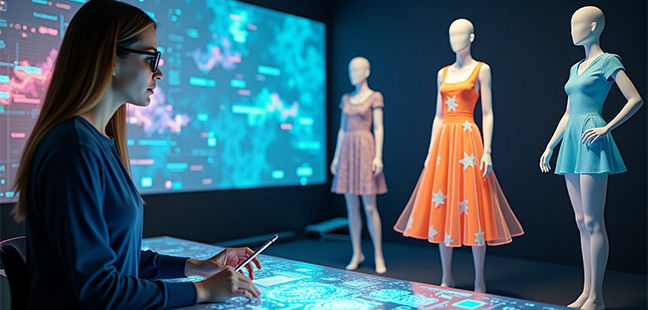
AI fashion personalization is becoming the bridge between beautiful digital assets and useful customer experiences. A brand can have photoreal 3D garments, polished campaign visuals, virtual try-on tools, and avatar content, but the real value appears when those assets adapt to the shopper, the channel, and the moment of decision.
For fashion teams, personalization should not mean random recommendations or generic AI styling. It should mean a controlled workflow that combines product truth, brand taste, body and fit context, customer intent, and human review. That is where Mimic Digital Fashion's digital garments, custom avatars, virtual accessory design, AR, VR, AI video, scanning, motion capture, and fitting solutions can work together as one practical system.
This guide explains how modern brands can plan AI fashion personalization as an end-to-end digital styling workflow: what it is, why it matters, which assets are needed, how to implement it, what mistakes to avoid, which KPIs to track, and how to handle privacy responsibly.
Table of Contents
What AI Fashion Personalization Means
AI fashion personalization is the use of approved data, styling logic, product assets, and creative rules to shape a fashion experience around an individual shopper or audience segment. It can recommend looks, adapt visuals, guide size and fit decisions, generate campaign variants, support avatar styling, or help a buyer explore a collection through a more relevant path.
The strongest programs start with production-ready digital assets. A personalized styling system is only as credible as the garment, accessory, material, avatar, and motion data behind it. That is why teams should connect personalization planning to digital fashion services instead of treating AI as a separate layer at the end.
Rule-based styling uses curated combinations, editorial rules, occasion logic, and merchandising priorities.
AI-assisted styling uses models to interpret signals such as intent, product attributes, body context, climate, trend language, and prior behavior.
Hybrid personalization is usually best: human taste and brand control define the boundaries, while AI helps scale versions and suggestions.
Why Digital Styling Workflows Matter Now
Fashion discovery has become more visual, more fragmented, and more interactive. Customers may meet a collection through social video, a virtual showroom, an ecommerce page, an AR try-on, a digital avatar, or a creator campaign before they ever visit a physical store. Static content still matters, but it cannot answer every personal question.
A digital styling workflow gives teams a way to reuse the same product truth across those touchpoints. The same 3D garment can support a campaign render, a virtual try-on, a buyer preview, a personalized lookbook, and a service conversation. This extends the logic covered in Mimic's article on 3D fashion product visualization, where reusable digital assets become the foundation for richer fashion commerce.

Benefits for Brands and Customers
For brands, the benefit is not only novelty. AI personalization can reduce content waste, improve campaign relevance, help customers understand fit, support faster merchandising decisions, and give sales teams better proof points. For customers, the benefit is clarity: they can see more relevant looks, compare options faster, and understand how a garment may behave in a real styling context.
Creative speed: approved assets can be adapted into multiple styling stories without rebuilding every visual from scratch.
Commerce confidence: virtual try-on and fitting guidance can make digital shopping feel more informed.
Better reuse: avatars, digital garments, motion, and material libraries can serve campaigns, ecommerce, wholesale, and immersive launches.
Clearer measurement: teams can track which styling paths lead to stronger engagement, product saves, try-on completion, or sales conversations.
Use Cases Across the Fashion Customer Journey
AI fashion personalization works best when it is mapped to the customer journey instead of dropped into one isolated feature. At discovery, it can introduce a collection through personalized look edits. During consideration, it can compare styling options and fit scenarios. At purchase, it can guide sizing and virtual try-on. After purchase, it can suggest care, pairing, and future styling ideas.
Discovery: AI-curated campaign variants, avatar-led style edits, and personalized social visuals.
Consideration: digital showrooms, material close-ups, outfit comparisons, and guided product education.
Purchase: fit confidence, virtual try-on, size guidance, compatible accessories, and occasion-based styling.
Retention: post-purchase outfit ideas, loyalty styling drops, avatar wardrobe updates, and seasonal refreshes.
This journey logic connects naturally with virtual fashion showrooms, where immersive spaces turn digital garments into buyer-ready sales experiences.

Data and Asset Checklist
Personalization depends on clean inputs. If the product data is incomplete, the styling logic becomes vague. If fit claims are not validated, the customer experience loses trust. If assets are not optimized, the workflow may look impressive in a demo but fail on mobile, ecommerce, or AR channels.
Product truth: measurements, size range, materials, colorways, trims, care details, and product hierarchy.
Digital assets: 3D garments, accessory models, textures, avatar fits, motion references, and optimized channel files.
Customer signals: style intent, occasion, climate, browsing behavior, size preferences, and consented profile details.
Brand controls: approved looks, restricted combinations, product claims, representation guidelines, and escalation rules.
Measurement: event tracking, try-on completion, saved looks, product clicks, assisted conversions, and qualitative feedback.
Mimic's core technology ecosystem is useful here because AR, VR, 3D scanning, and motion capture help turn product information into assets that can actually perform across channels.
Implementation Roadmap
A strong personalization program should begin with one focused use case. Do not start by promising a fully automated stylist for every customer. Start with one collection, one audience, one channel, and one business outcome. Then expand only after the asset, governance, and measurement model works.
Define the styling decision: discovery, fit confidence, product comparison, wholesale preview, or post-purchase retention.
Audit assets and data: confirm which garments, avatars, materials, size logic, and visual references are ready.
Build the controlled pilot: write styling rules, prepare images or 3D assets, set review checkpoints, and define success metrics.
Test with users: compare recommendations, fit explanations, visual clarity, accessibility, and trust signals.
Scale the repeatable pieces: templates, approved looks, product tags, avatar rules, analytics events, and QA notes.

Mistakes to Avoid
The biggest mistake is treating AI personalization as a content shortcut instead of a customer decision system. A generated outfit image may get attention, but it does not automatically create fit trust, brand consistency, or repeatable business value.
Skipping product accuracy: AI styling should not invent materials, proportions, fit claims, or product availability.
Over-personalizing too early: asking for too much user data can reduce trust before the experience has proven its value.
Ignoring channel constraints: assets built for a cinematic render may need optimization before ecommerce, mobile, AR, or VR use.
Measuring only engagement: saves, try-ons, conversion assists, return signals, and buyer confidence matter more than surface impressions.
KPIs to Track
The right KPIs depend on where personalization sits in the journey. Discovery programs should measure attention quality. Try-on programs should measure completion and confidence. Styling programs should measure saved looks, product exploration, and assisted conversion. Internal workflow programs should measure production speed and asset reuse.
Engagement: look saves, completed style paths, scroll depth, repeat visits, and interaction quality.
Commerce: product clicks, add-to-cart rate, virtual try-on completion, qualified leads, and assisted conversion.
Efficiency: content versioning speed, asset reuse rate, sample reduction, approval time, and cost per usable visual.
Trust: fit satisfaction, return-rate signals, complaint themes, consent completion, and human review pass rate.
Responsible AI, Privacy, and Fit Trust
Fashion personalization can involve sensitive signals: body measurements, uploaded images, style preferences, shopping history, location, and likeness rights. Responsible AI should be designed before the pilot launches, not repaired after a problem appears.
Teams should collect only what they need, explain how information is used, avoid sensitive demographic inference, and make the difference between inspiration, fit guidance, and guaranteed fit clear. For avatar or image-based experiences, consent, retention, deletion, and model-likeness rules need plain language.

Future Trends
The next phase of AI fashion personalization will be more visual, more interactive, and more operational. Digital garments will increasingly behave like reusable product systems rather than one-off renders. Avatars will support styling, service, retail training, and campaign storytelling. Virtual try-on will move closer to real-time feedback across web, mobile, AR, and immersive retail spaces.
Brands that prepare now will have an advantage because their asset libraries, product taxonomies, consent models, and measurement frameworks will already be organized. The future will reward teams that connect creativity with systems thinking, much like Mimic's broader digital fashion innovation cluster shows across 3D simulation, avatars, XR try-ons, real-time engines, and AI-powered workflows.
FAQ
What is AI fashion personalization?
AI fashion personalization uses customer signals, product data, styling rules, and digital assets to create more relevant fashion recommendations, visuals, try-on paths, or shopping experiences.
How is it different from AI fashion design?
AI fashion design focuses on creation and ideation. AI personalization focuses on adapting product presentation, styling, fit guidance, and journeys for specific shoppers or audience segments.
What assets does a brand need first?
Useful inputs include accurate product data, 3D garment or accessory assets, material references, size information, brand styling rules, model or avatar guidance, and analytics events.
Can personalization improve virtual try-on?
Yes. Personalization can guide which garments, sizes, colorways, accessories, and styling contexts a customer sees before, during, and after a virtual try-on session.
Is customer data required?
Some personalization can use broad context such as occasion, product category, or trend intent. More precise styling or fit guidance may require consented customer data and clear privacy rules.
Which teams should own the workflow?
A good program usually involves ecommerce, creative, merchandising, data, legal, and technical production teams, with one clear owner for final brand and customer experience quality.
How should brands measure ROI?
Track saved looks, try-on completion, product clicks, assisted conversions, content production speed, asset reuse, approval time, fit satisfaction, and return-rate signals where available.
Where should a brand start?
Start with one focused use case, such as personalized styling for a capsule collection, virtual try-on support for a hero product, or a buyer-facing digital showroom pilot.
Conclusion
AI fashion personalization is strongest when it is treated as a disciplined digital styling workflow, not a quick content trick. The brands that get the most value will connect 3D garments, avatars, virtual try-on, product truth, customer context, and responsible AI into one repeatable operating model.
For planning, production, avatar styling, virtual try-on, and immersive implementation support, explore Mimic Digital Fashion's services or review the studio's digital fashion portfolio to plan a personalization-ready asset system for your next collection.
Comments